I was told I would never walk again.
My name is Liza Gere. I was born and raised in California, and I spent most of my working life in information technology. Then, one Saturday morning in February 2004, everything changed.
A normal life, until it wasn’t
Up until 2004 I had a very normal life. I was building a successful technology consulting company. That February, I was out for a Saturday morning motorcycle ride through the country when a truck swerved into my lane from oncoming traffic and hit me head-on.
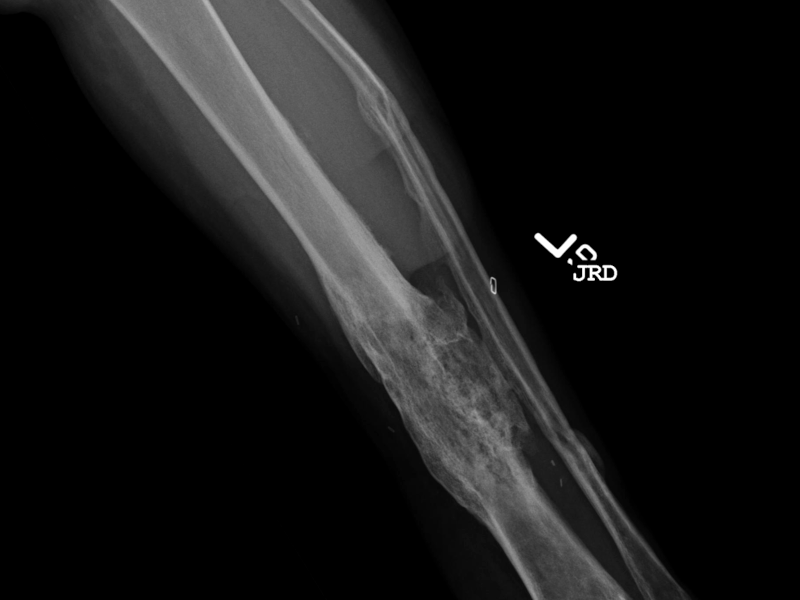
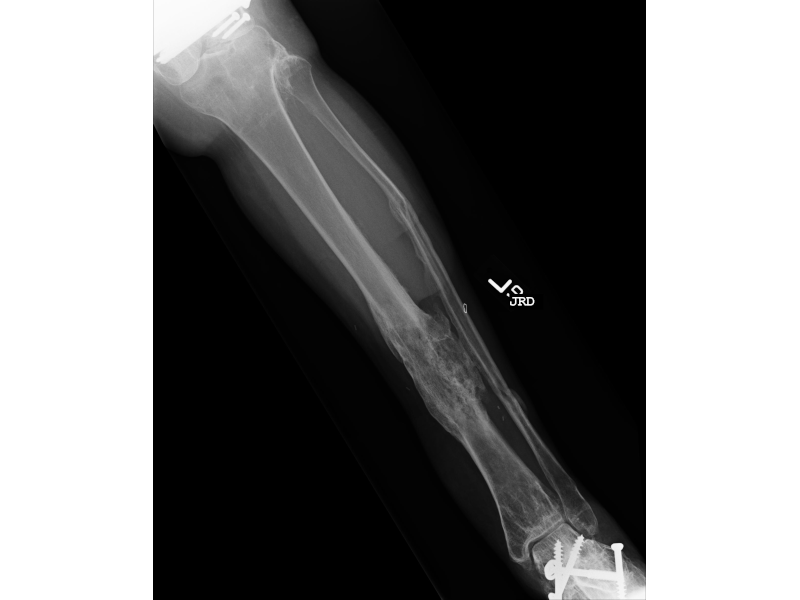
The left side of my body was destroyed. Broken ribs. A broken pelvis. A shattered femur. But the worst damage was the lower part of my leg, which was almost completely severed from my body.
When I arrived at the hospital, my mother was told the doctors were deciding where to amputate, at the hip, or below the knee. Somehow, I escaped that.
“Less than a 1% chance”
During my three weeks in intensive care, the doctors scheduled the amputation again. There was too much damage, they said, and a less than 1% chance the leg would ever be functional. I was missing about an inch and a half of bone, had lost the skin around my calf, and most of the muscle tissue. They had grafted an artery just so there could be blood flow to my foot, and even that was tenuous.
As I considered amputation and what it would mean for my life, I kept coming back to one thought.
“If I do this without fully trying the repairs first, I know I’d always look back and ask myself: what if I had tried more?”
The professionals kept telling me that even if the limb could be saved, it would never function properly. I would always need braces and walking devices. I decided I at least wanted to try, because my dream was to walk again on my own two legs. If it threatened my life, I would agree to the amputation, but I had to know I had done my personal best first. At least then I could live with myself.
Twenty-three surgeries, eight years
I finally found one doctor willing to attempt the bone graft, but that was after more than a year of not even knowing it was possible. For several years I was confined to a wheelchair. Over the next eight years I underwent 23 operations to rebuild my leg. Each one was followed by recovery, physical therapy, and then another surgery.
I spent years on crutches, then graduated to a cane. I had a horrible limp and constant pain. A simple trip to the grocery store could set me back two days. Sometimes my left leg would simply disappear from my brain and I would collapse to the ground.
My surgeon suggested removing the metal plate that ran the length of my upper leg, from hip to knee. After that surgery and another recovery, I was walking a little better. I had finally reached the limit of what western medicine could do for me.
The Camino
It was during those final years of recovery that a bucket-list dream came back to me: walking the Camino de Santiago. I had first learned of it years earlier from a book, and told myself that one day I would walk that way. Now the idea seemed a little insane, I was still using a cane, and my body was unpredictable, but I couldn’t shake it.
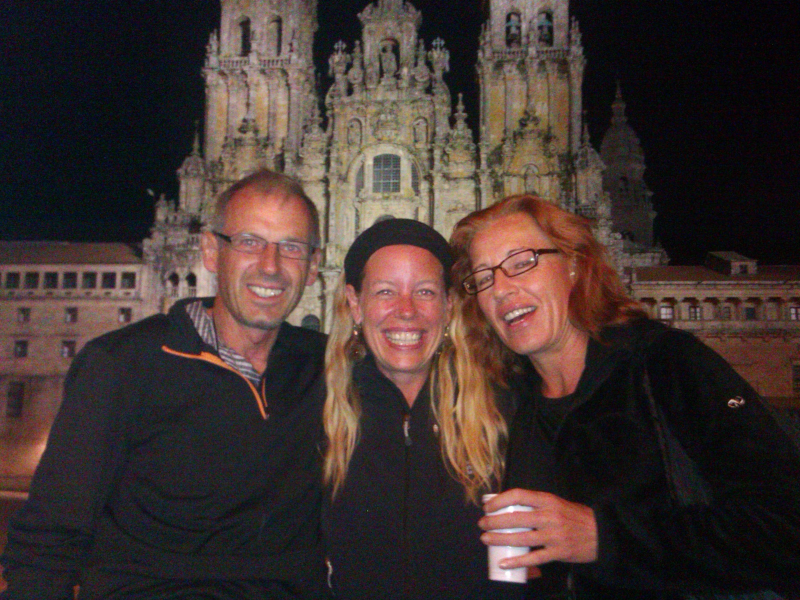
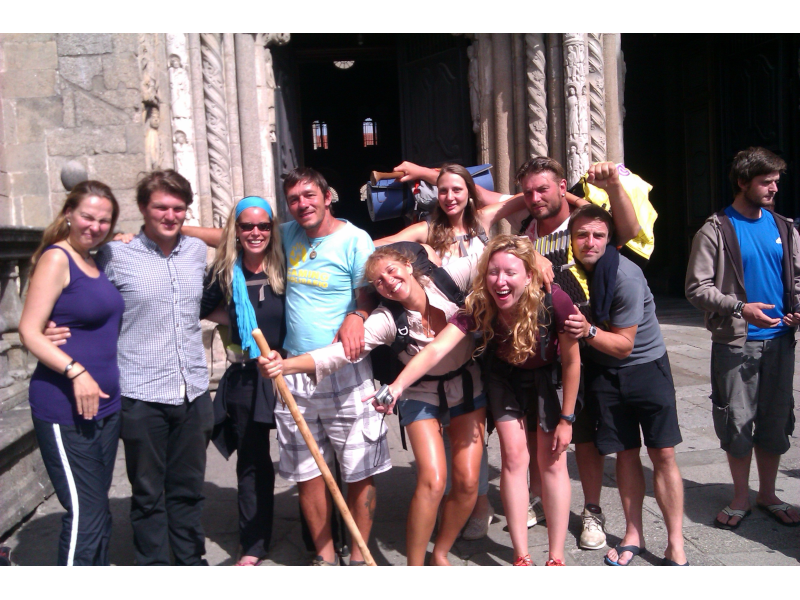
The Camino is a pilgrimage road that runs from the south of France across the north of Spain, also called the Way of St. James. For me it started as a victory walk. A defining moment that closed one door and opened another. 728 kilometres. Roughly 425 miles.
I planned for every outcome, including flying to the other side of the planet and having to turn around after a few steps. I knew I couldn’t manage the distances in the guidebooks. To receive the Compostela you only need to complete the last 100 kilometres, so I decided to make Pamplona my starting point and go from there.
In July 2012 I arrived in Spain and began walking. Some days it was only a short distance. I dealt with tremendous pain and swelling every day, and very quickly developed an open wound on a skin graft on my heel. But I persevered.
What the Camino gave back
Every day I met new pilgrims and never saw them again. What helped me most were the people who ran the albergues, the hostels just for pilgrims. I noticed that when I stayed somewhere with an atmosphere of care, a hot shower, a good meal, and decent sleep, I had far more energy the next day.
After about two weeks, I had a thought I couldn’t dismiss: it would be lovely to run one of these albergues and give back what I had been receiving. I pushed it aside as a fantasy. Then, on a second Camino in 2016, the idea came back stronger.
I stayed at a new albergue that had only been open a month. After dinner the chef came out and we talked. I shared the idea I couldn’t shake. He offered me a trade: come back when I finished, work as a hospitalera, and see if it’s really what I want. I did. I changed my flight home and stayed more than a month.
The next summer I returned and volunteered for three months. Every night I went to bed exhausted and completely happy. When I came back to the USA, my old passion for technology had faded. It had been replaced by a passion for helping people. I knew, deep down, that it was what I was meant to do.
That is the next chapter, and it is why this site exists.
The whole story is in the book.
Download One Pure Desire free, or help build the albergue that comes next.